
Lydie Couturier
RESEARCHER
Lydie Couturier, Senior researcher
Country
France
Institution
France Energies Marines
Ocean
Atlantic Ocean (incl. English Channel, Mediterranean Sea)
Lydie Couturier is a research fellow at France Energies Marines (FEM). In this interview, we explore her research on the interactions between marine ecosystems and offshore renewable energy, and how acoustic telemetry is helping to assess the ecological effects of offshore wind development.
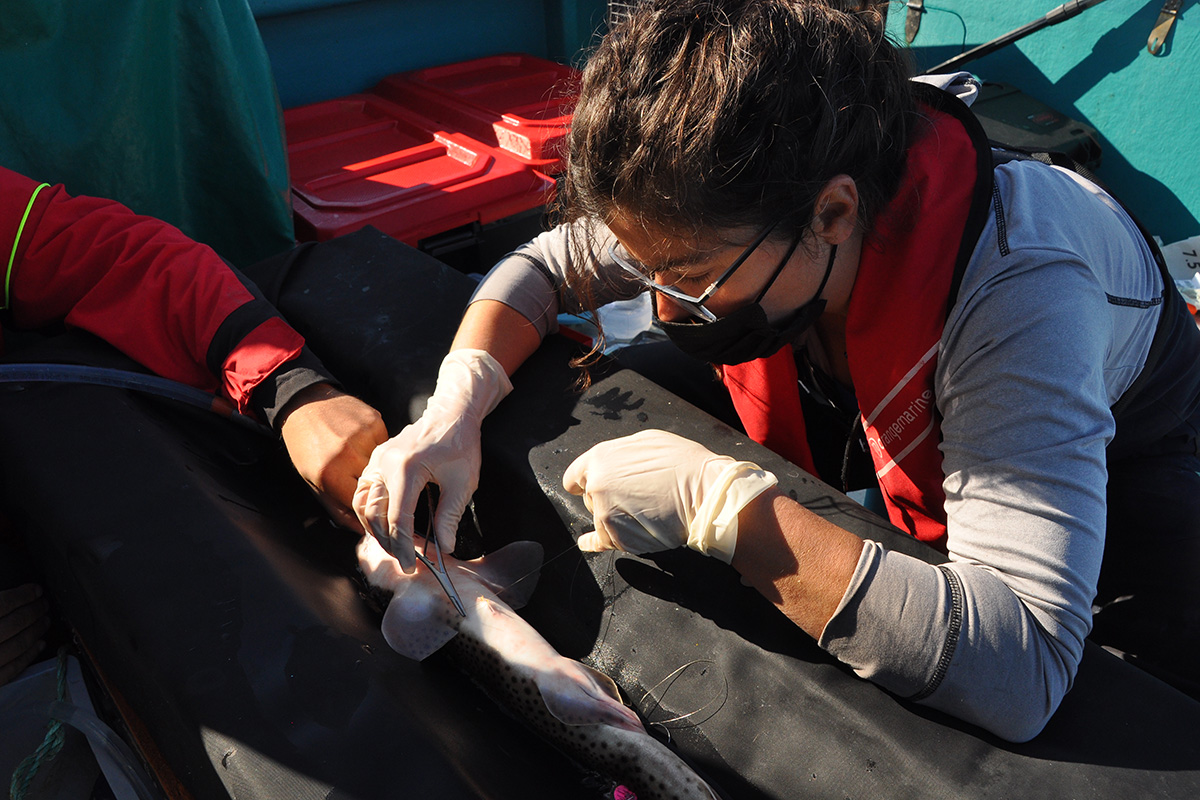
Photo credit: France Energies Marines
Tell us about your research.
Our research looks at how fish and crustaceans interact with offshore wind structures at both local and broader scales. By studying these patterns, we hope to better understand the ecological impacts of offshore wind farms (OWFs). A big focus of our work is bringing acoustic telemetry—a tool that tracks tagged aquatic animals—into marine monitoring frameworks to help inform decision makers.
We track the movements of study species before, during and after wind farm construction. We’re also studying how species that can sense electricity respond to equipment that gives off electromagnetic fields (EMF), using new tools like EMF‑sensitive tags. This research aims to fill important knowledge gaps about animal movements and habitats, and to identify where marine life overlaps with wind farm development.
So far, we’ve been monitoring seven offshore wind farms in France using more than 80 acoustic receivers. As part of these efforts, we’ve tagged over 350 aquatic animals across France’s coastal waters—from the English Channel to the Atlantic and the Mediterranean.
We’re working to address the following questions:
- Do construction activities influence fish occupancy patterns at OWFs?
- Are fish attracted to specific OWF structures, and if so, why?
- How does EMF from subsystems affect fish movement and habitat use?
- Do areas planned for OWF development overlap with important habitats or key areas for different species?
- What ecological roles do OWFs play at local and regional scales?
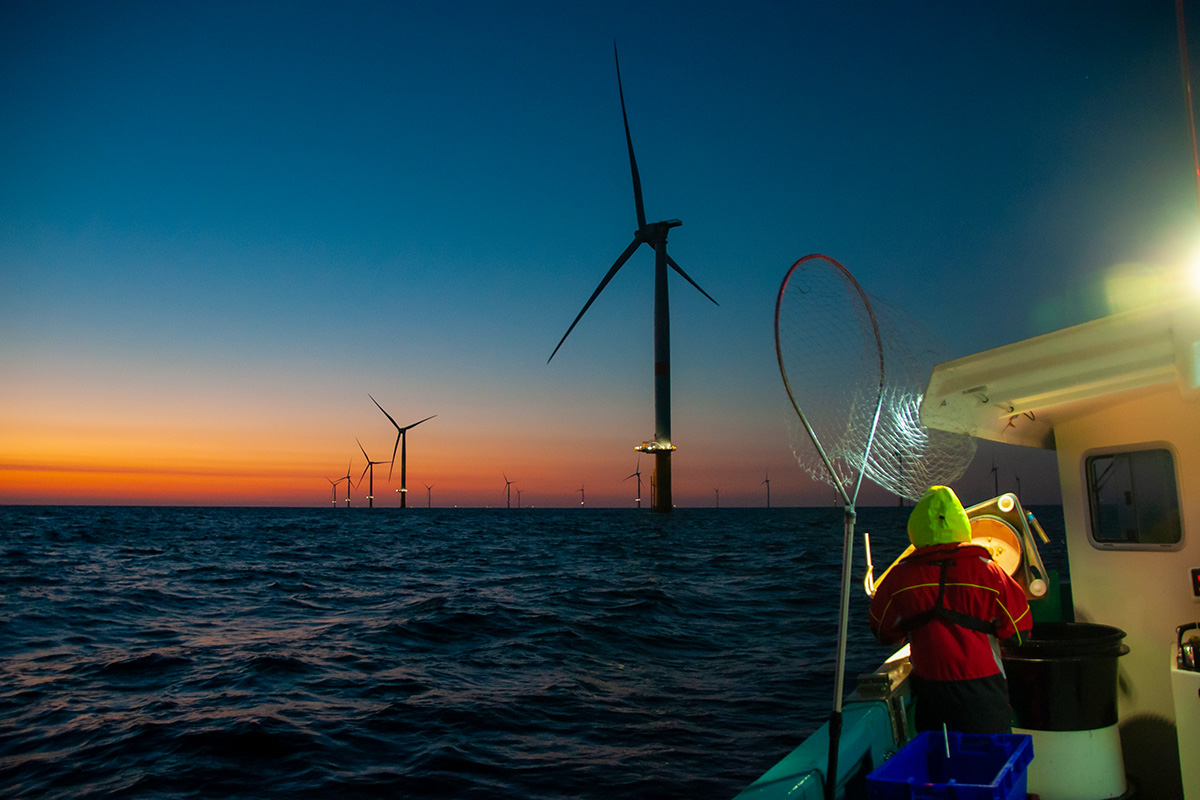
Photo credit: France Energies Marines
Why is this research important?
The rapid expansion of OWFs in Europe is transforming coastal marine habitats and can influence fish space use and connectivity in complex ways. Turbine bases and their surrounding structures, like scour protections, may act as artificial reefs that encourage residency and site fidelity. At the same time, operational pressures such as underwater noise can disrupt movements, migration routes, or habitat use. Given the ecological roles of marine species and the socio-economic importance of coastal fishing communities, understanding these effects requires long-term, multi-scale monitoring. Acoustic telemetry offers a powerful way to answer these questions and provide data that can help inform sustainable development.
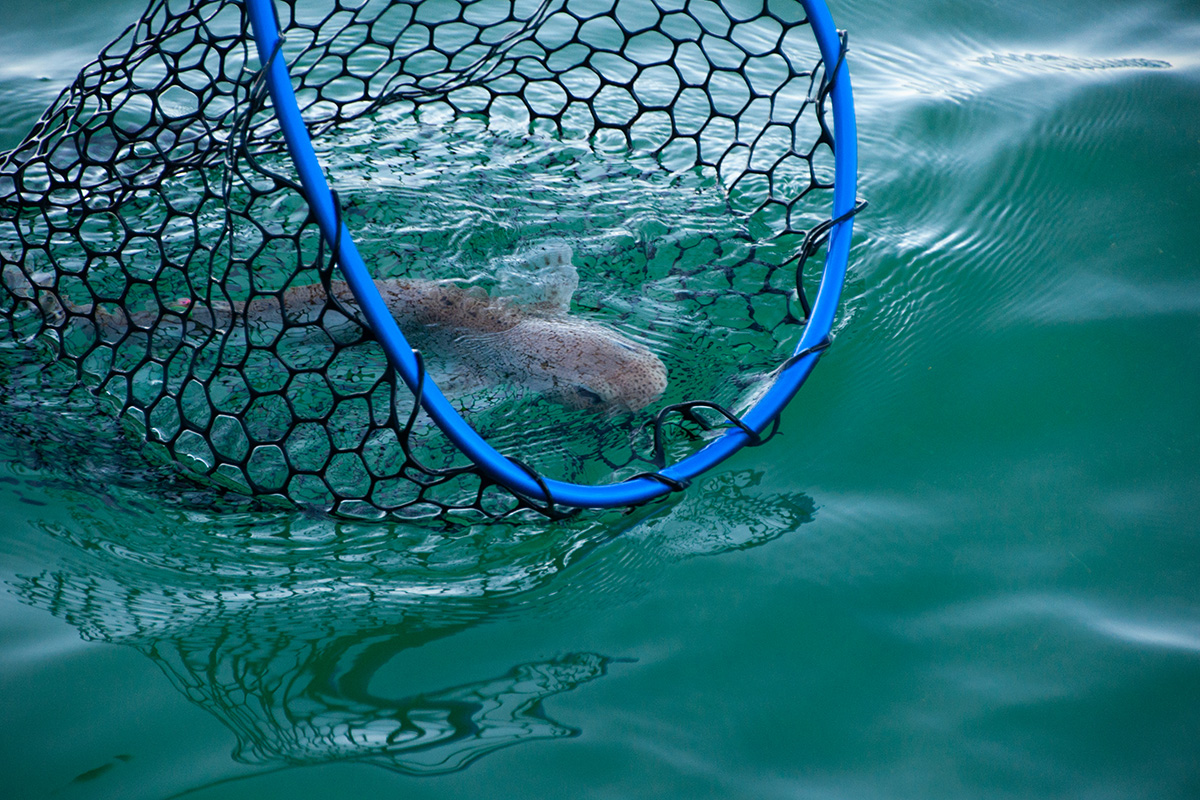
Small-spotted catshark (Scyliorhinus canicula) | Photo credit: France Energies Marines
What is the most significant finding to date?
We discovered that tagged small-spotted catshark (Scyliorhinus canicula) and European lobster (Homarus gammarus) remain within and regularly use OWFs, and that individuals of several species regularly return to and move within OWF areas and nearby structures.
How is the surrounding community involved in the project?
We work closely with a wide range of stakeholders involved in OWF development, including academic institutes, NGOs, wind developers, regional and fishing committees, and government agencies. Collaboration with developers allows us to access wind farms, while working with local fishing committees helps us co-design effective receiver arrays and identify key target species. Local fishers have become invaluable team members, sharing their expertise in capturing fish and interpreting behaviours. We also provide regular updates on project progress through local meetings and public events.
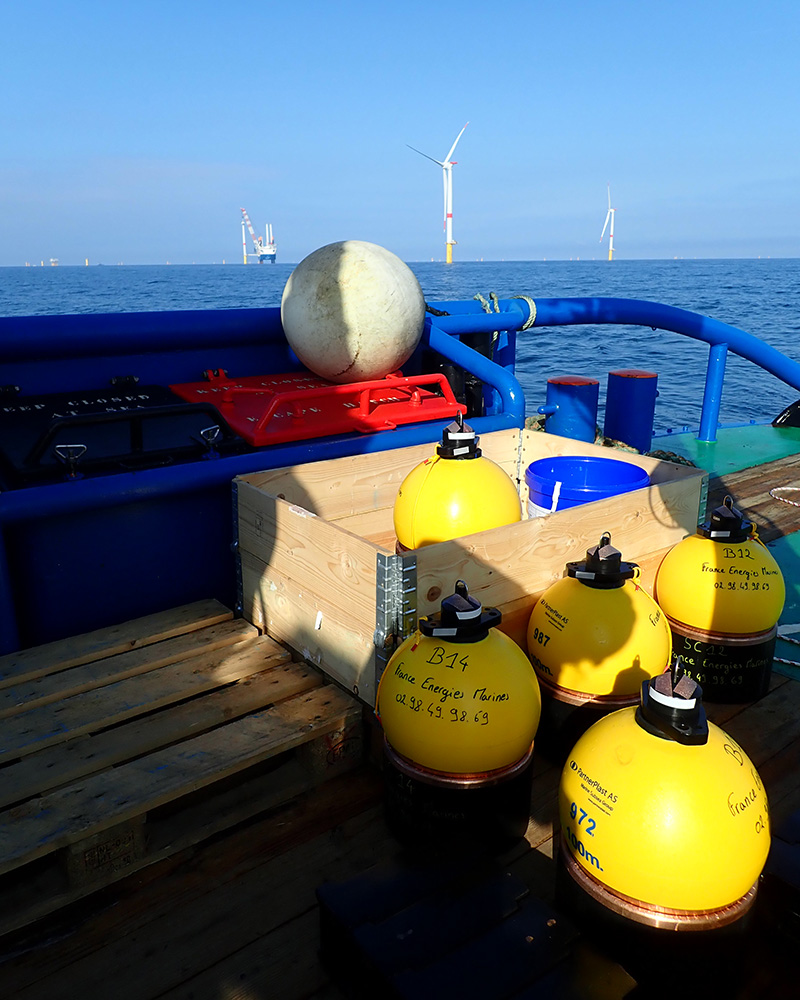
Photo credit: France Energies Marines
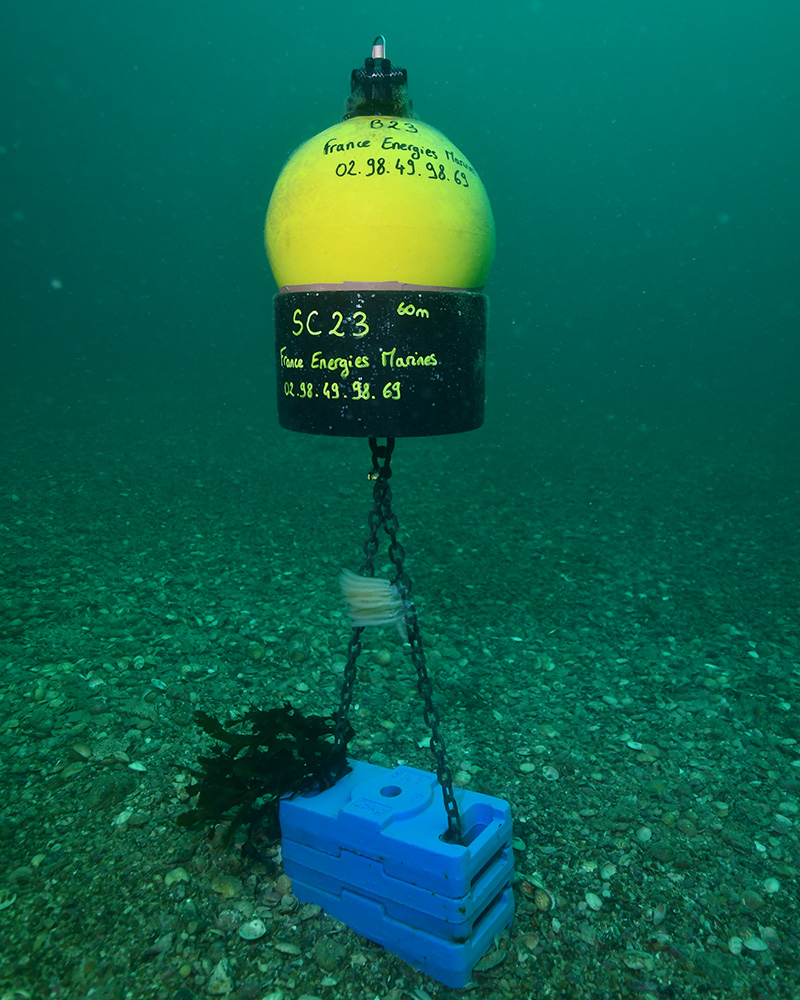
Photo credit: Valentin Danet
How does OTN support your project?
OTN has enabled us to equip a floating wind farm—where turbines are mounted on buoyant platforms anchored to the seabed, allowing deployment in deeper waters than fixed-bottom systems—in the Mediterranean with acoustic release receivers. The array is deployed to allow fine-scale analysis of fish movements around a turbine and its dynamic submarine cable. This type of study has never been conducted in this setting and will provide invaluable data on the turbine’s potential attractive effect and the impact of EMF on electro-sensitive species. Beyond the equipment, OTN facilitates global connections and data sharing, helping us expand the reach and impact of our research.
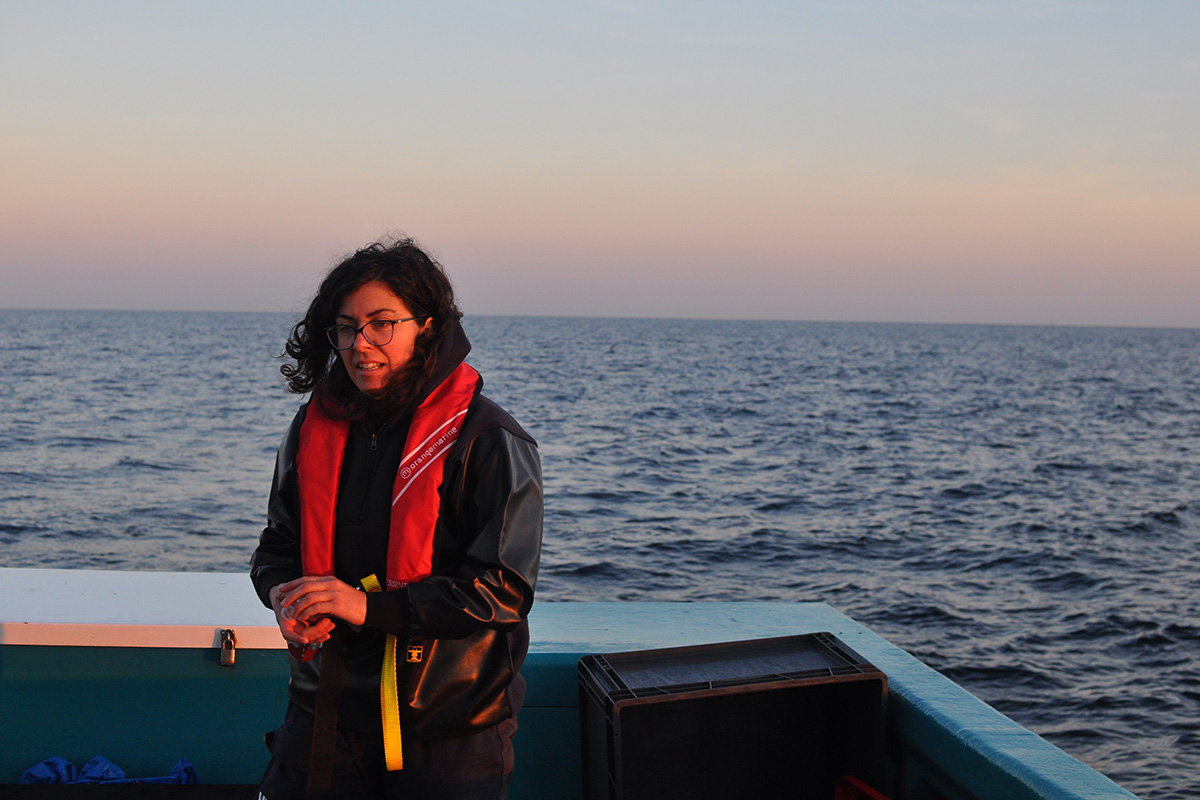
Photo credit: France Energies Marines
General inquiries
+1 902 494 4101
otn@dal.ca
Data Centre
otndc@dal.ca
Media Contact
anja.samardzic@dal.ca
Go to…
© 2026 Ocean Tracking Network